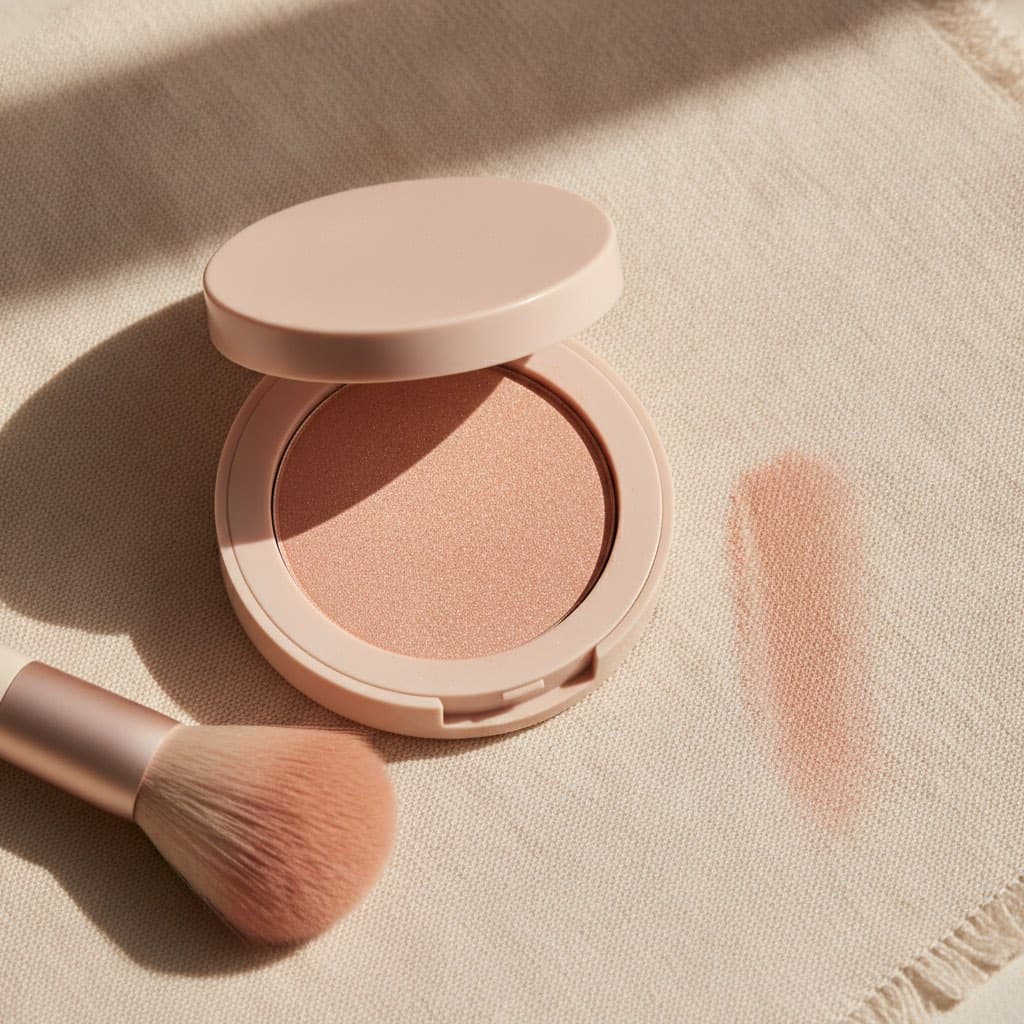
Blush by Skin Tone: Finding Your Perfect Flush
The right blush shade does more than add color — it brings warmth, dimension and life to your face.
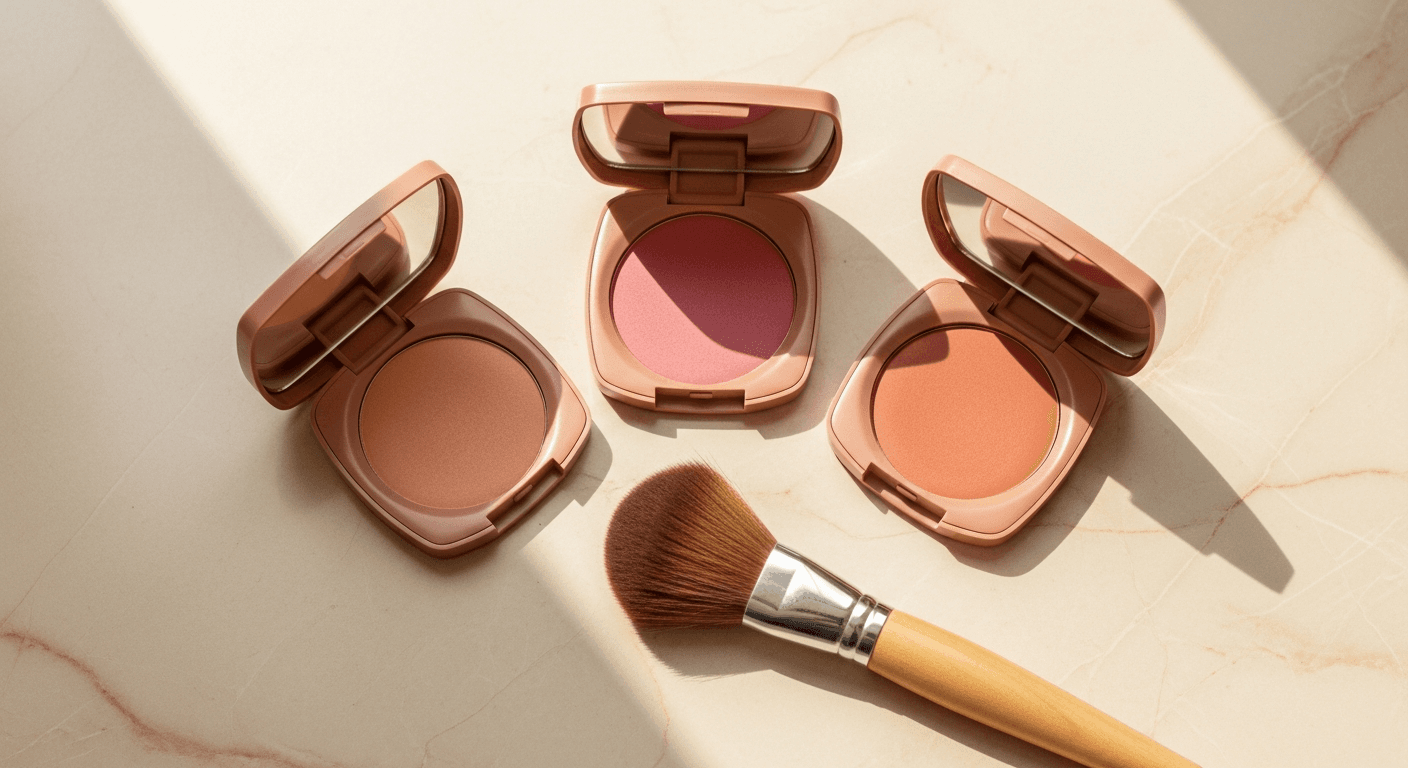
Blush is one of the most transformative products in a makeup kit — when the shade is right. A mismatched blush makes a face look tired, muddy, or artificially pink. The right blush does something more interesting: it makes skin look alive, as if the color is coming from beneath rather than sitting on top. The difference is almost entirely in the shade choice. That's also why one shade gets asked about more than any other — the NARS Orgasm dupes we ranked owe their existence to a blush that flatters an unusually wide range of tones.
Understanding Undertones and Blush
Blush interacts with your skin's undertone in the same way foundation does — and the right approach is the same: warm undertones (yellow, golden, peachy) call for warm blush shades, cool undertones (pink, bluish, neutral-cool) for cooler ones. The difference is that blush is applied to the highest point of the cheeks, where natural flush appears — so the goal is to mimic and amplify what your skin would naturally do.
For warm undertones: peach, coral, terracotta, warm rose, and golden-bronze shades build on your natural warmth without clashing. For cool undertones: berry, mauve, cool pink, and soft rose feel natural and add healthy vibrancy. For neutral undertones: the widest range works — dusty rose, medium berry, peachy-pink, and warm taupe all perform well.
“The best blush shade is the color your cheeks turn when you've been out in the cold for ten minutes.”
Shade Recommendations by Skin Tone
Fair to light skin: soft peach, light rose, or a delicate coral. Heavy pigmentation is easy to overapply on light skin — use a light hand and build up. Baby pink and nude blushes tend to disappear on fair skin entirely.
Medium skin: coral, warm rose, and peach-bronze shades add warmth without reading as costume. Mauves and deeper roses work beautifully at medium depth and provide more visible color than they would on lighter skin.
Deep skin: rich berry, deep plum, terracotta, and bold coral provide the contrast necessary to show up on deeper skin tones. Pinks that work on lighter skin disappear on deep tones — go deeper and more saturated than you think you need.
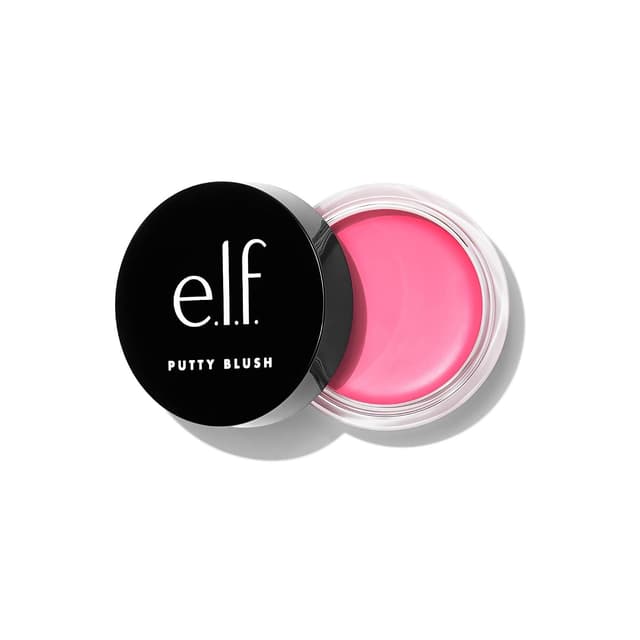
e.l.f. Putty Blush
Putty texture that sets to a semi-matte powder finish. Highly pigmented, so it takes a very light hand — and lasts.
Application: Where and How
Smile and apply blush to the apple of the cheek, blending upward and outward toward the temple. For a more sculpted look, start at the temple and sweep diagonally downward toward the top of the cheekbone. The former is rounder and more youthful; the latter is more defined and grown-up.
Cream blushes applied with fingers give the most natural finish; powder blushes with a fluffy brush provide more precision and longevity. Either works — the best choice is the format that fits your routine. For a liquid blush that melts into every skin tone, our Rare Beauty Soft Pinch dupes cost a third of the price.