The French Makeup Routine: What It Actually Looks Like
Less is more — but less requires knowing exactly which steps to keep.
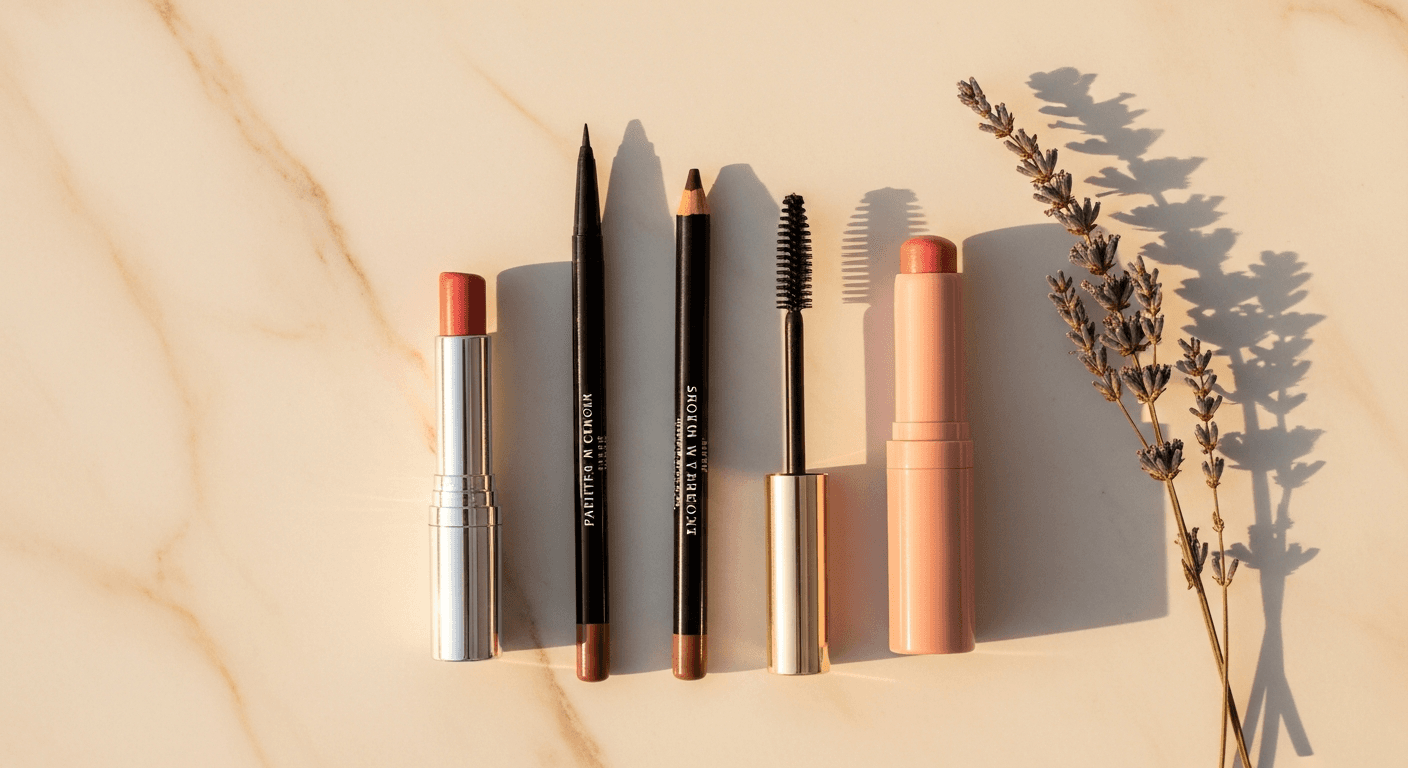
The French approach to makeup is real, but it's often misrepresented. It's not "no makeup" — it's considered makeup. The French woman doesn't skip her face; she edits it. The result looks effortless because the underlying principle is selective rather than minimal: choose the three or four elements that make the most difference to your specific face, and do only those.
The Philosophy Behind the Edit
French makeup philosophy starts from skin rather than from coverage. The goal isn't to build a perfect surface — it's to work with the face you have. Good skin preparation (hydration, SPF, a moment to let your moisturizer settle before applying anything else) is considered more important than foundation coverage. If your skin is well cared for, you need far less product to look polished.
This is not about spending less time. A well-considered five steps takes the same time as a perfunctory ten. It's about knowing which steps matter for your face, specifically.
“French makeup isn't about wearing less. It's about knowing exactly what you need — and not touching anything else.”
The Elements That Make the Difference
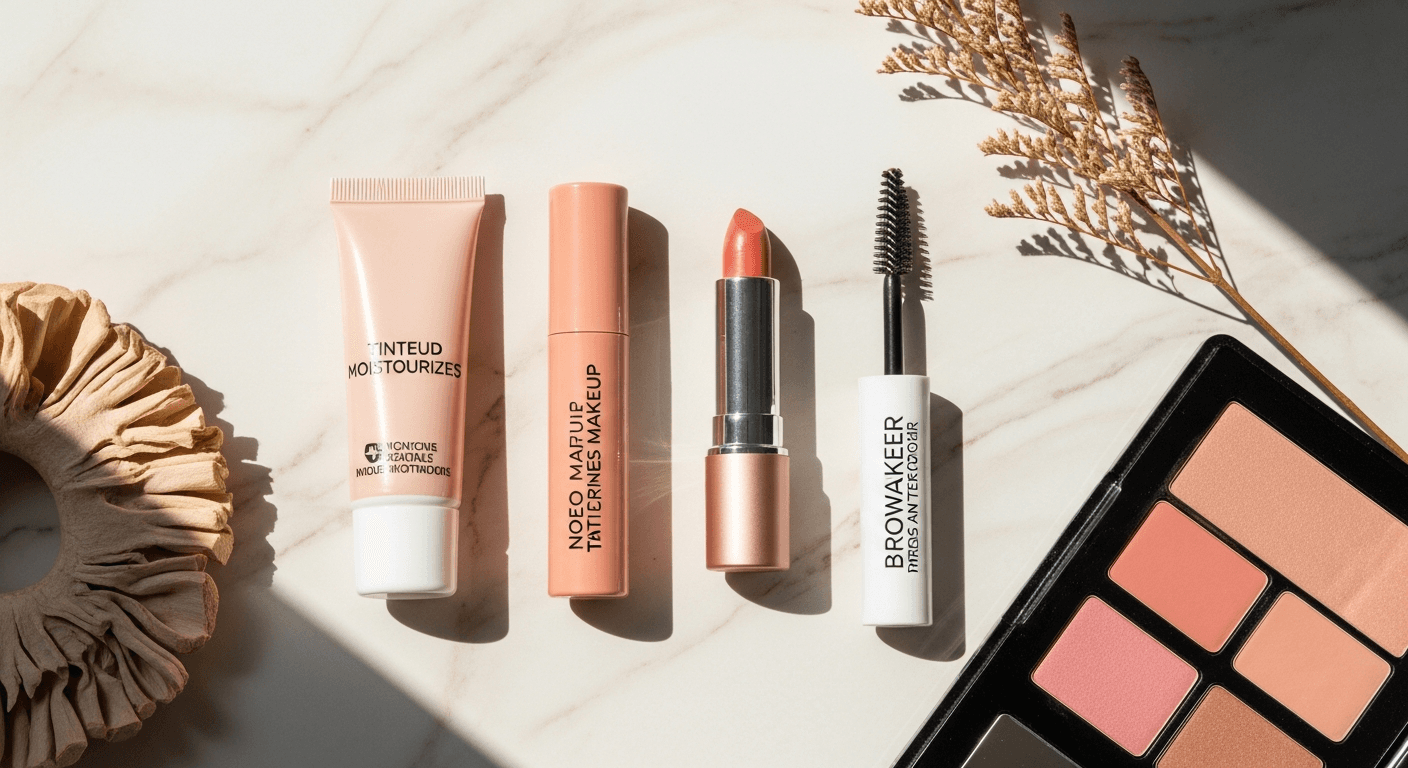
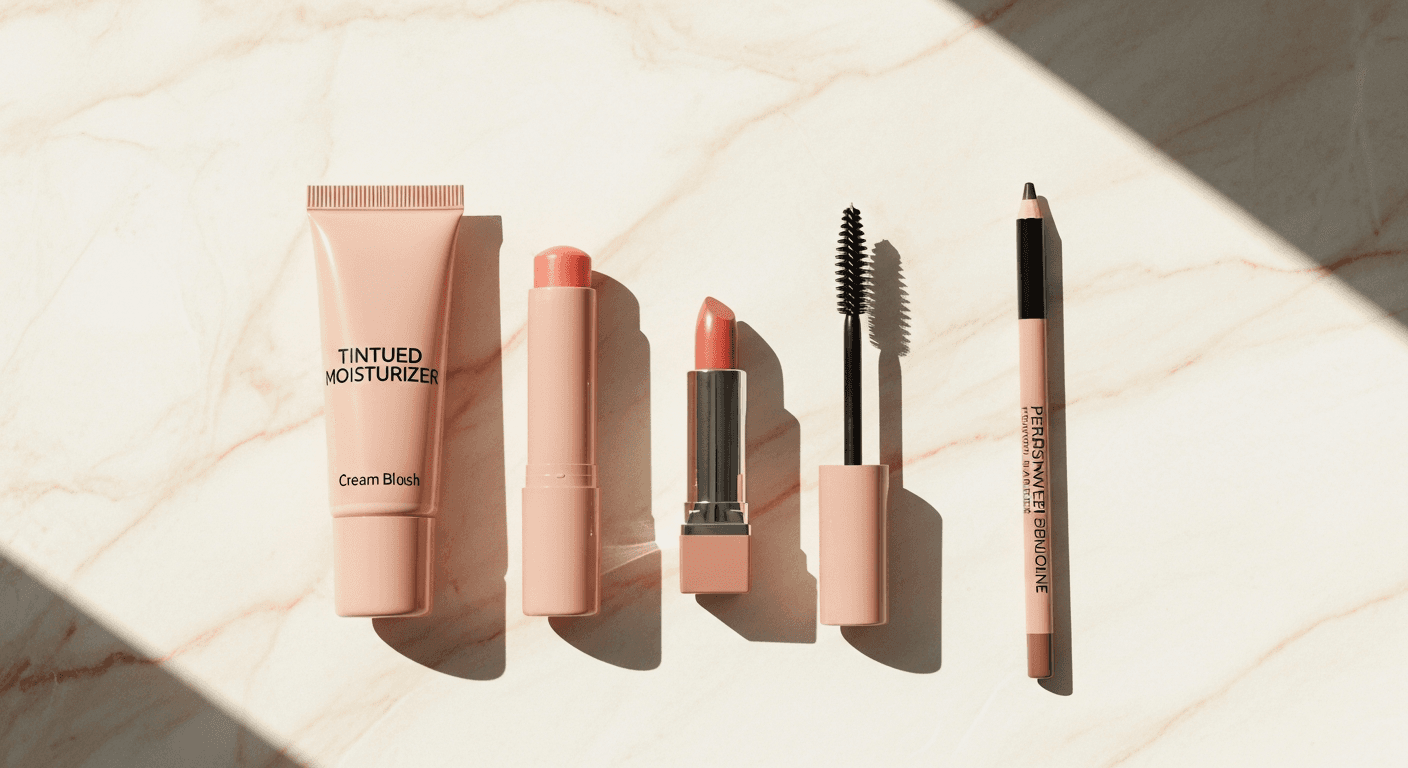
The French face is characterized by a few recurring choices that aren't trendy — they're just effective. A well-defined brow (brushed up, not drawn on). A clean, even complexion (tinted moisturizer or light coverage foundation rather than full cover). One statement element: a red lip, or a careful eye, but rarely both at once.
The red lip is the signature. Worn with minimal eye makeup, it reads as chic rather than overdone. The French brow — natural but groomed, slightly full — frames the face without requiring daily maintenance.
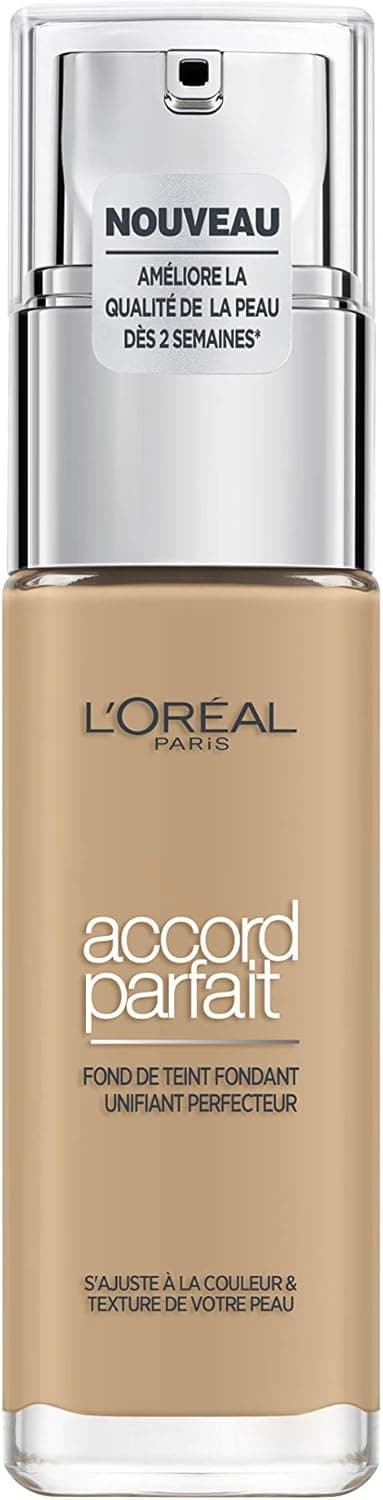
L'Oréal Accord Parfait — Golden Beige (3.D)
Hyaluronic-acid fluid with buildable coverage and a 24h luminous finish. Warm shade for golden undertones.
Applying It to Your Own Routine
The exercise: look at your full makeup routine and identify the three things that make the most difference to how you look. Remove everything else for one week. Then add back only what you genuinely missed.
Most people find they don't miss as much as they thought. And the edit — the deliberate choice to stop at three elements rather than seven — is what makes the result look intentional rather than incomplete. That precision is the French makeup lesson: not less for the sake of less, but exactly as much as the face needs. The no-makeup makeup look is its quietest version, when you skip even the statement element. For natural, full brows without redrawing them, the 3 products you need are in our guide.