The Best Barrier Repair Creams Under $20 for Dry Winter Skin
Tightness, flaky patches, a moisturizer that suddenly stings: winter is hard on the skin barrier. The creams that help most are also some of the cheapest.
Some links are affiliate links: we may earn a commission, at no extra cost to you. As an Amazon Associate, Éclat earns from qualifying purchases. How this works
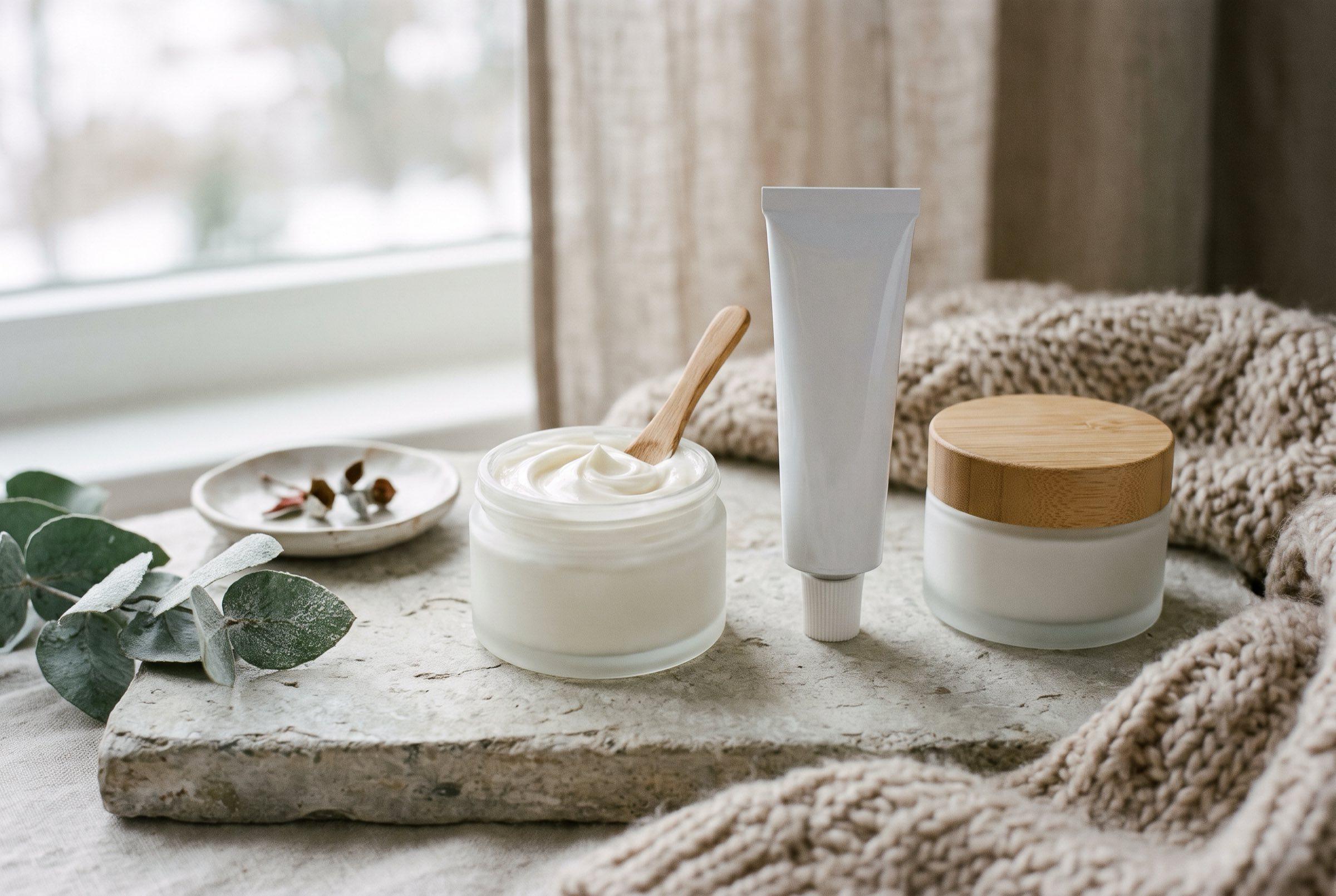
CeraVe Moisturizing Cream, about $17 for 16 oz, is the barrier cream to buy first: ceramides, cholesterol and hyaluronic acid for face and body. If rich creams break you out, the lighter Illiyoon Ceramide Ato, about $18, does the same job on the face.
- ~$17SeeCeraVe Moisturizing CreamOur pickthree ceramides + cholesterol, face and body, 16 oz
- ~$18SeeIlliyoon Ceramide Ato Concentrate Creamthe lighter K-beauty option for the face, 75 ml
- ~$14SeeVanicream Moisturizing Creamthe most minimal formula, for reactive skin
- ~$13SeeEucerin Advanced Repair Creamceramides + 5% urea, for rough skin on the body
- ~$13SeeAquaphor Healing Ointmentthe occlusive last step for the driest patches
Winter is when skin starts sending signals: a tight feeling after cleansing, flaky patches around the nose, a moisturizer that suddenly stings. Most of the time that's not a new skin type, it's a tired barrier. The good news is that the creams that help most are some of the cheapest on the shelf. Here are the ones worth buying for under $20, and how to choose between them.
What a barrier cream actually does
The outer layer of your skin works like a brick wall: cells are the bricks, and a mortar of lipids holds them together. That mortar is mostly ceramides, cholesterol and fatty acids. Cold air, central heating, hot showers and over-enthusiastic exfoliating all thin it out, water escapes faster, and irritants get in more easily.
A good barrier cream does three jobs at once. It brings back some of those lipids, ceramides first. It draws water into the skin with humectants like glycerin or hyaluronic acid. And it leaves a light film on top that slows down evaporation. A cream that only does the last job feels comfortable for an hour. One that does all three keeps working overnight.
“A damaged barrier doesn't need more products. It needs fewer, and one that stays put.”
The creams, by what your skin needs
CeraVe Moisturizing Cream is the one to start with, at about $17 for a 16 oz tub that covers face and body. It combines three ceramides, cholesterol and hyaluronic acid in a rich, fragrance-free cream, and it carries the National Eczema Association Seal of Acceptance. It's thick, so on the face a pea-sized amount is enough.
Illiyoon Ceramide Ato Concentrate Cream is the Korean answer, about $18 for 75 ml. It's made by Amorepacific, the group behind the cult barrier brand Aestura, and it feels lighter and more cushiony than CeraVe, which makes it the better pick if heavy creams sit on your skin or break you out. If you love it, the 200 ml tube is the better deal.
Vanicream Moisturizing Cream, about $14 for 16 oz, is the one for reactive skin. Its appeal is what it leaves out: no fragrance, no dyes, no lanolin, no parabens. It's less ceramide-focused than the first two, so think of it as the gentlest base rather than the most active one.
Eucerin Advanced Repair Cream, about $13 for 16 oz, is the body specialist. Alongside ceramides, it contains 5% urea, which softens rough, flaky skin on legs, elbows and heels. Keep it for the body: urea can tingle on cracked or very irritated skin, and the face doesn't need it.
Aquaphor Healing Ointment, about $13, isn't a cream at all, and that's the point. It's an ointment that seals in whatever you put underneath. Use a thin layer as the very last step at night on the driest spots, around the nose, on cheeks chapped by the wind, on the backs of your hands. That's the "slugging" trick from TikTok, best kept to the patches that need it rather than your whole face.
How to use them so they work
Apply your cream on slightly damp skin, within a minute of cleansing: the humectants have water to hold on to, and you'll need less product. Keep the routine short for a week or two while your skin calms down, which means pausing exfoliating acids and retinol, then bringing them back slowly. Our winter skin routine walks through the full cold-weather routine.
If your skin is sensitive rather than just dry, a soothing ingredient helps the cream do its job. Beta-glucan is one of the quietest and most effective, and it layers well under any of these creams.
The barrier often repairs itself faster than you think, within a few weeks once you stop stressing it. The best cream is the plain one you'll actually use every night, not the most expensive one in the drawer.