Korean Toner Pads: Which One Your Skin Wants, and How Often
The number one beauty product on Amazon is a disc soaked in acid. Genuinely useful after summer — as long as you don't pick the wrong strength.
September is when people start looking at their skin more closely: pores read larger than they did in June, texture is uneven, and the urge to exfoliate comes back. That's exactly the window Korean toner pads occupy, and they've become one of the best-selling categories in beauty. What's worth understanding is what you're actually buying, because near-identical packaging hides very different strengths.
What a toner pad replaces, and what it doesn't
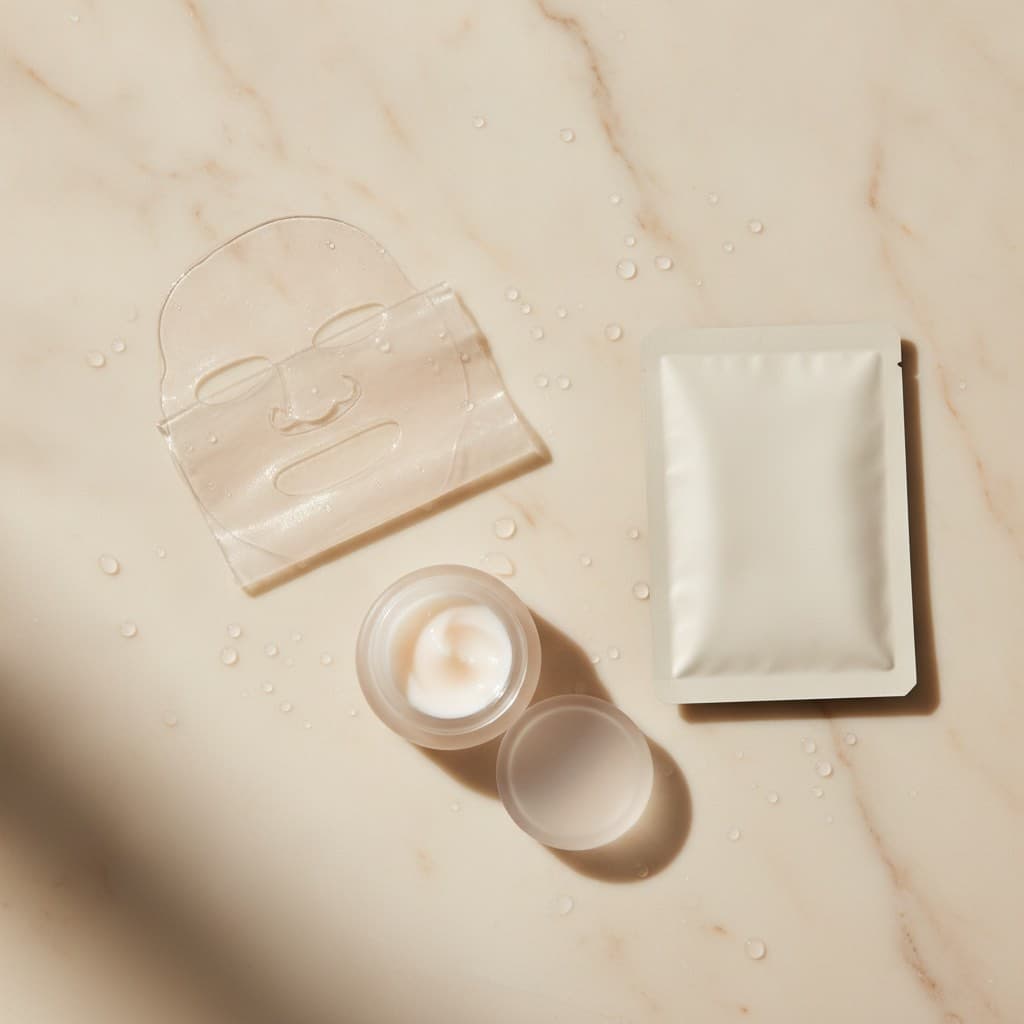
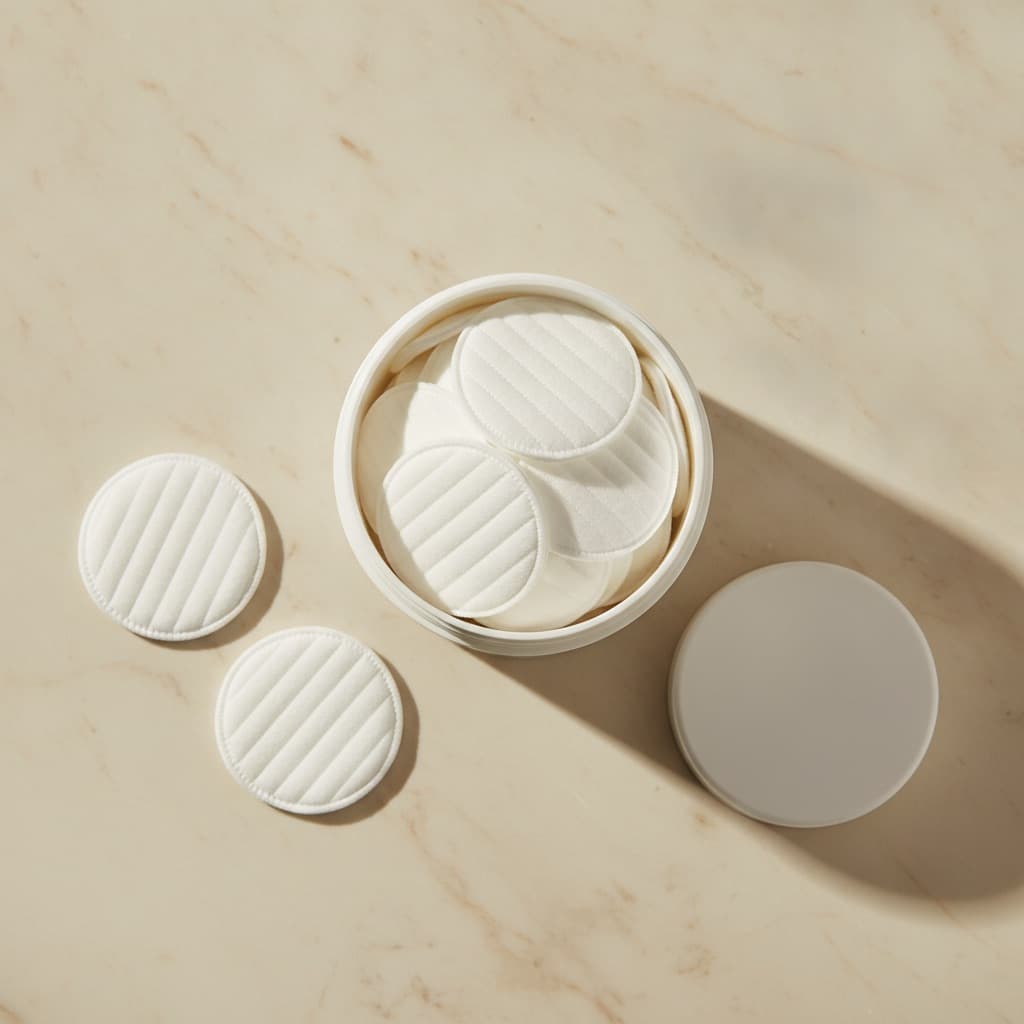
A toner pad is two things in one motion: a disc soaked in exfoliating acids, and an embossed face that exfoliates mechanically. So you're replacing a chemical exfoliation step and a gentle scrub, in a single pass.
What it doesn't replace is cleansing. The pad is not a makeup remover: swiped across skin still carrying the day, it spreads more than it lifts, and the acids end up working on sebum instead of on skin. Cleanse first, always.
What it also doesn't replace is targeted treatment. A pad exfoliates the surface. It will do nothing for an established dark spot or for fine lines — that's retinoid territory, and the two should never share an evening.
Three acid strengths, three skins
Medicube Zero Pore Pad 2.0 is by far the most active of the group: 4.5% lactic acid AHA plus 0.45% salicylic BHA. That combination explains its success — it visibly does something within the first few uses on combination to oily skin. It's also what makes it unsuitable as a daily product for most people.
COSRX One Step Original Clear Pad runs BHA alone, at 1% betaine salicylate. BHA is oil-soluble, so it travels down into the pore and dissolves the sebum plug — the right pick if your issue is blackheads and visible pores across the nose rather than overall texture.
Anua Heartleaf 77 Toner Pads is the option for skin that reacts. It uses PHA, a larger molecule than AHA that penetrates more slowly and irritates far less, alongside centella and heartleaf extract to calm. You give up speed of result; you gain the ability to use it without triggering redness.
“An exfoliant's strength doesn't determine how well it works, it determines how often you can use it. The most powerful pad used too frequently gives a worse result than the gentlest one used properly.”
The mistake that damages skin
The format is deceptively harmless. A disc you sweep across your face looks like a toner, so plenty of people use it morning and night like a toner. Except you're stacking mechanical exfoliation on top of chemical exfoliation, every single day.
The outcome is well documented: a skin barrier that gives out after two or three weeks. Skin feels tight, flushes, turns reactive to products it used to tolerate, and paradoxically produces more oil. Many people conclude they need to exfoliate more.
Start at twice a week, in the evening. One pass with the embossed side, no pressure, moisturiser after. If nothing feels tight after three weeks, you can go to three. Daily only makes sense with a gentle PHA, and even there it's a ceiling, not a goal.
And the following morning, sunscreen is not optional. Freshly exfoliated skin is more vulnerable to UV — exfoliating in September without SPF is how you manufacture in October the dark spots you were trying to fade. And when a breakout arrives anyway, a pad won't settle it — that's what the pimple patches we compared are for. And if you're torn between Korean ranges, our guide to where to start with Medicube helps you sort through it.